The Hidden Cost of "Cheap" Weight Loss Drugs: What Small Business Owners Need to Know
Listen up, small business owners: That "historic" drug price reduction the Trump administration just announced? It's about to become your most expensive benefit.
You've worked hard to build your business. You've survived economic downturns, navigated rising costs, and fought to provide good benefits for your people. Now, get ready for your healthcare premiums to skyrocket—all thanks to a decision wrapped in a bow and sold as progress.
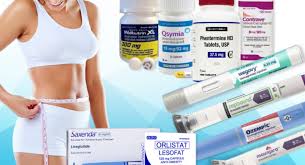
A few weeks ago, the Trump administration triumphantly announced "a remarkable achievement"—slashing prices for weight loss drugs like Ozempic, Wegovy, and Zepbound. I am profoundly disappointed in Trump, Robert F. Kennedy Jr., and everyone involved in this reckless decision. And I'm flabbergasted by the sheer ignorance—perhaps the better word is stupidity—of our government officials. They have no idea what they've unleashed, or the consequences you and I will shoulder in higher taxes, healthcare costs, and insurance premiums.
The "Historic" Announcement
According to the White House, this agreement represents historic price reductions for drugs with the highest annual expenditures in the United States. Prices will drop from $1,000-$1,350 per month to around $350. They claim this will help adults struggling with diabetes, heart disease, and obesity. The announcement even declared: "MAKING AMERICA HEALTHY AGAIN: President Trump promised to ensure the American healthcare system is promoting health and addressing the root causes of chronic disease."
My response? These drugs will not make anyone healthy again. The root cause of obesity is not Ozempic deficiency. And healthcare costs—your costs, as employers—are about to explode.
The False Narrative About Food Access
During the press conference, Trump, RFK Jr., and others claimed that poor people are "doomed" to eat fast food because it's cheaper than produce, so now they'll need easier access to weight loss drugs.
This is categorically false. Fast food is NOT less expensive than healthy food—my colleagues and I proved it years ago through a project in California called Meals For Health. We worked with economically disadvantaged people from the Sacramento Food Bank, teaching them the science behind plant-based eating and how to shop for and prepare healthy foods.
The results? In just 28 days:
Participants lost an average of 17 pounds
LDL cholesterol dropped 22%
84% reduction in prescription medications
75% reduction in medication costs
Twenty out of twenty-one participants completed the program. Poor people don't need Ozempic. They need education about how to live healthy lives and support in making positive changes. They need us to address the body, mind, heart, and spirit—the whole person, not just a symptom.
The Processed Food Smokescreen
Of course, RFK and his team used this opportunity to wage war on processed foods, demonstrating yet again how little they understand. The NOVA system they're using wasn't developed to assess nutrient content or food quality—it was designed to categorize foods by degree of processing. By their logic, whole wheat bread and almond milk are "highly processed" and bad, while lard—which their own MAHA Report praises as "rich in fat-soluble vitamins"—is fine.
Using processing levels alone to determine what's healthy is dangerously misguided. The last thing our obese, sick population needs is more saturated fat.
The Bigger Issue: Weight Loss Drugs Are Failing Americans
Dr. Christopher McGowan describes himself as an "obesity medicine specialist" and was an early, vocal advocate for GLP-1 therapy. He spoke publicly about their "unprecedented efficacy against obesity."
Today, he's singing a different tune. He acknowledges the drugs work—people who can afford them, tolerate them, and take them indefinitely do lose weight. But that's the problem: 75% of patients stop GLP-1 drugs due to cost, side effects, and unwillingness to take medication forever.
The Trump administration eliminated the cost barrier, but they can't do anything about the brutal side effects.
The Side Effects Are Heinous
We're talking about low blood sugar, nausea, heartburn, vomiting, stomach pain, diarrhea, constipation, dizziness, thoughts of self-harm, signs of thyroid tumors, pancreatitis, gallbladder disease, kidney disease, and stomach paralysis. These medications increase the risk of vision loss that's often permanent. The side effects are so severe that almost 65% of patients taking Victoza, Wegovy, and Ozempic discontinue use, with gastrointestinal problems topping the list.
It's gotten so bad that pharmaceutical companies are developing additional drugs to reduce the nausea and vomiting so people can continue taking these ill-advised medications.
What This Means for Your Business: The Real Costs
Short-Term Impact on Small Business Owners
Immediate Premium Increases: As more employees gain access to these expensive drugs (even at "reduced" prices of $350/month), your health insurance premiums will climb. Insurers and government programs will now cover medications they previously denied, and those costs get passed directly to you.
Cascading Drug Costs: Employees won't just be taking one medication—they'll need additional drugs to manage the side effects. Anti-nausea medication, treatments for gallbladder issues, medications for stomach problems. Each one adds to your healthcare spend.
Increased Absenteeism: Those side effects I mentioned? They're not mild inconveniences. Employees dealing with severe nausea, vomiting, stomach pain, and dizziness will miss work. Your productivity takes a hit while you're still paying for the drugs causing the problem.
Long-Term Consequences
Here's where it gets truly catastrophic:
When employees stop taking these drugs—and research shows most will—they don't just return to their starting weight. They become worse off. They lose muscle mass that generally doesn't come back. The weight they regain is mostly fat. This means your employees end up metabolically worse than before they started.
Why does this matter to you as an employer?
Muscle loss equals:
Lower basal metabolic rate (harder to maintain healthy weight)
Reduced glucose control (increased diabetes risk)
Physical weakness and instability
Higher risk of injury and disability
The rebound effect is brutal. Muscle burns 14 calories per pound per day; fat burns only 3. When employees regain weight as fat instead of muscle, they gain back weight faster and end up heavier than before. One study showed patients regained two-thirds of their lost weight within one year of stopping the medication.
The Productivity and Workplace Culture Impact
Think about what this cycle does to your workforce:
Declining self-confidence: Dr. McGowan reports that the psychological toll is devastating. Employees experience blame and shame from yet another failed weight loss attempt. This affects their mental health, engagement, and performance.
Physical decline: Loss of muscle mass leads to frailty, weakness, and inability to perform physical job requirements. Some employees may eventually be unable to work independently at all.
Increased disability claims: As employees become weaker and sicker, you'll see more workers' compensation claims, disability applications, and early retirements.
Lower morale: When employees feel physically terrible and mentally defeated, it permeates your workplace culture. Energy drops. Innovation suffers. Your business feels it.
The Multi-Year Cost Projection
Let's be clear about the financial trajectory:
Years 1-2: Higher premiums as drug coverage expands. Increased absenteeism from side effects. Additional medication costs for managing those side effects.
Years 3-5: Employees begin discontinuing drugs. Weight rebound accelerates. New health complications emerge—diabetes, cardiovascular disease, joint problems from excess fat mass. More prescription medications. Higher premiums continue climbing.
Years 5+: Long-term metabolic damage manifests. Increased rates of serious illness. More expensive interventions. Some employees unable to work. Disability insurance costs rise. You're spending more on healthcare than ever, with a workforce that's sicker than when this all started.
And here's the kicker: Pharmaceutical executives know exactly what they're doing. Those smiling faces standing in the Oval Office last week? They probably uncorked expensive champagne afterward. They just got our government to make their drugs available to millions more people. They know cost is the biggest reason for discontinuation. Lower prices mean more insurance coverage, more government coverage, and a massive expansion of their market.
The Alternative: What Actually Works
There's a better way, and the evidence has been sitting in medical journals for decades.
A five-year study led by Dean Ornish compared patients on a plant-based diet with aerobic exercise, stress management training, and group support to a standard care control group. The plant-based group lost almost 24 pounds at one year and kept over half of it off five years later. The control group experienced worsening health, weight gain, and continued progression of coronary disease.
Another study compared obese patients eating a low-fat whole food plant-based diet to those receiving standard care. At six months, BMI reduction was 4.4 for the plant-based group versus 0.4 for standard care.
These studies and many others show not only weight loss but lower cholesterol, lower blood pressure, reduced fasting glucose, and improvements across health markers. None required portion control, which people hate and never maintain.
We don't need more research. We need to pay attention to existing evidence.
The Sankofa Approach: Body, Mind, Heart, Spirit
At Sankofa, we understand what government officials and pharmaceutical companies refuse to acknowledge: health is holistic. You cannot drug your way to wellness. You must address the whole person—body, mind, heart, and spirit.
Body: Real food, movement, rest. Not synthetic drugs with devastating side effects.
Mind: Education about nutrition, understanding how our bodies work, making informed choices.
Heart: Emotional well-being, addressing the psychological relationship with food, building self-compassion rather than shame.
Spirit: Connection to purpose, community support, understanding that our health journey is part of our larger life story.
This is what creates lasting change. This is what actually makes people healthy. And this is what keeps your healthcare costs manageable while building a thriving workforce.
What Small Business Owners Can Do
Invest in real wellness programs: Partner with programs that teach nutrition, provide cooking classes, offer stress management, and create supportive communities. The upfront investment is minimal compared to the pharmaceutical nightmare ahead.
Educate your employees: Share the truth about these medications—not just the marketing hype. Help them understand the side effects, the failure rates, and the better alternatives available.
Create a culture of health: Make healthy food available at work. Support physical activity. Encourage mental health resources. Address the whole person.
Advocate for better policy: Contact your representatives. Make noise. Demand that healthcare policy actually promote health, not pharmaceutical profits.
Work with benefits consultants who understand this crisis: Find insurance partners and brokers who see what's coming and can help you navigate it strategically.
The Bottom Line
We're headed toward a catastrophe that will make the opioid epidemic look manageable. Millions are taking these drugs. Their weight loss is temporary at best. Eventually, both cost and side effects will force discontinuation for most. Multiple lawsuits are already filed due to severe side effects and deaths. Doctors and medical centers may refuse to prescribe them due to liability concerns.
What happens to those who took the drugs? They won't just be back where they started—they'll be worse off. And you, as a small business owner, will be paying for it through astronomical healthcare costs while managing a workforce that's sicker and less productive than ever.
The people in charge of healthcare policy have no idea what they're doing. The decisions they're making will have catastrophic consequences—for your employees' health, for your business's bottom line, and for our economy.
But you don't have to be a passive victim in this disaster. You can choose differently. You can invest in real health, real education, and real solutions that actually work.
Your employees' bodies know how to be healthy. Their spirits yearn for wholeness. We just need to stop poisoning them with false solutions and start supporting the real healing that's possible when we address body, mind, heart, and spirit together.
The pharmaceutical companies got their windfall. Don't let them have your employees' health and your business's future too.
Sources
White House Fact Sheet: President Donald J. Trump Announces Major Developments in Bringing Most Favored Nation Pricing to American Patients. https://www.whitehouse.gov/fact-sheets/2025/11/fact-sheet-president-donald-j-trump-announces-major-developments-in-bringing-most-favored-nation-pricing-to-american-patients/
Petrus RR, do Amaral Sobrol PJ, Todini CC, Goncalves CB. "The NOVA classification system: A critical perspective in food science." Trends Food Sci Tech 2021 Oct;116:603-608
The MAHA Report. Make Our Children Healthy Again Assessment. www.whitehouse.gov/wp-content/uploads/2025/05/MAHA-Report-The-White-House.pdf
Drugs.com: Ozempic Side Effects. https://www.drugs.com/ozempic.html
Hathaway JT, Shah MP, Hathaway DB, et al. "Risk of Nonarteritic Anterior Ischemic Optic Neuropathy in Patients Prescribed Semaglutide." JAMA Ophthalmol 2024 Jul;142(8):732-739
Rodriguez PJ, Zhang V, Gratzl S et al. "Discontinuation and Reinitiation of Dual-Labeled GLP-1 Receptor Agonists Among US Adults With Overweight or Obesity." JAMA Netw Open 2025 Jan;8(1):e2457349
Heidi Splete. "New Drug Eases Side Effects of Weight-Loss Meds." Medscape Nov 7 2025 https://www.medscape.com/viewarticle/new-drug-eases-side-effects-weight-loss-meds-2025a1000usx
Christopher McGowan MD. "I No Longer Think GLP-1s Are the Answer." MedPage Today Jan 30 2025 https://www.medpagetoday.com/opinion/second-opinions/114009
Wilding JPH, Batterham RL, Calanna S et al. "Once-weekly Semaglutide in Adults with Overweight or Obesity." NEJM 2021 Feb;384(11):898-1002
Ornish D, Scherwitz LW, Billings JH et al. "Intensive Lifestyle Changes for Reversal of Coronary Heart Disease." JAMA 1998;280(23):2001-2007
Wright N, Wilson L, Smith M, Duncan B, McHugh P. "The BROAD study: A randomised controlled trial using a whole food plant-based diet in the community for obesity, ischaemic heart disease or diabetes." Nutr Diabetes 2017 Mar;7(3):e256
Barnard N, Scialli A, Turner-McGrievy G, Lanou A, Glass J. "The effects of a low-fat, plant-based dietary intervention on body weight, metabolism and insulin sensitivity." Am J Med Sept 2005;118(9):991-997
Department of Justice. "Justice Department Announces Largest Health Care Fraud Settlement in Its History." September 2 2009 https://www.justice.gov/opa/pr/justice-department-announces-largest-health-care-fraud-settlement-its-history
Anna Wilde Mathews and Scott Hensley. "FDA Stiffens Painkiller Warnings, Pushes Pfizer to Suspend Bextra." Wall Street Journal April 8 2005
Stephanie Saul. "Experts Concluded Pfizer Manipulated Studies." New York Times Oct 8 2008 https://www.nytimes.com/2008/10/08/health/research/08drug.html
Violation Tracker Current Parent Company. https://violationtracker.goodjobsfirst.org/parent/astrazeneca
Matthew Perrone. "FDA to offer faster drug reviews to companies promoting 'national priorities'." AP June 17 2025


